Nuenonne Country
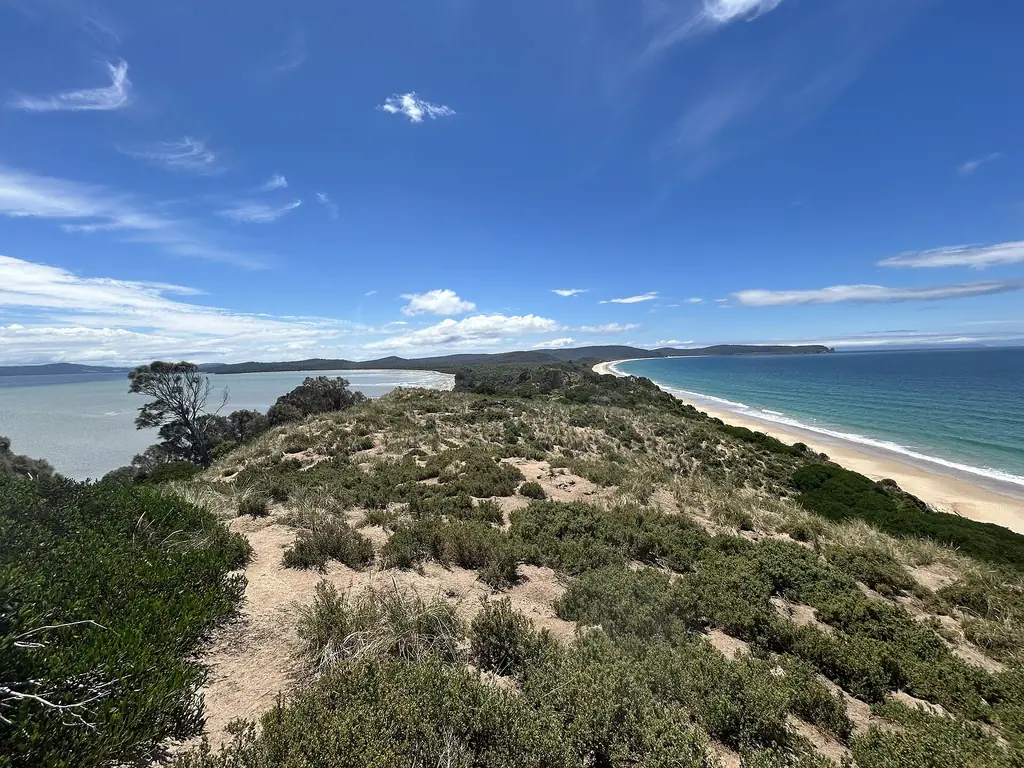
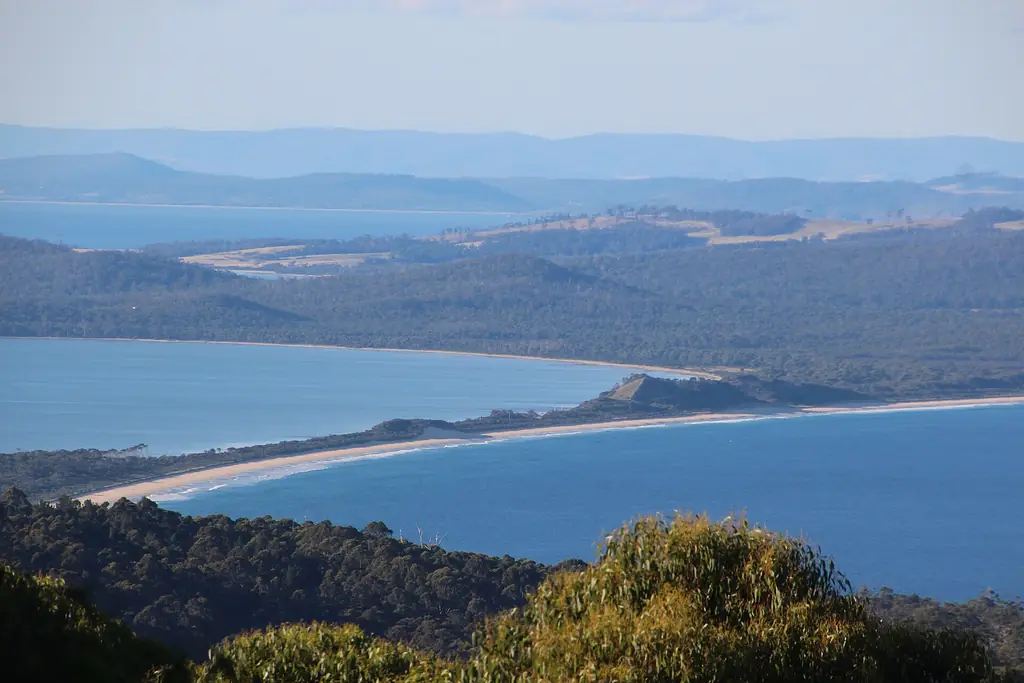
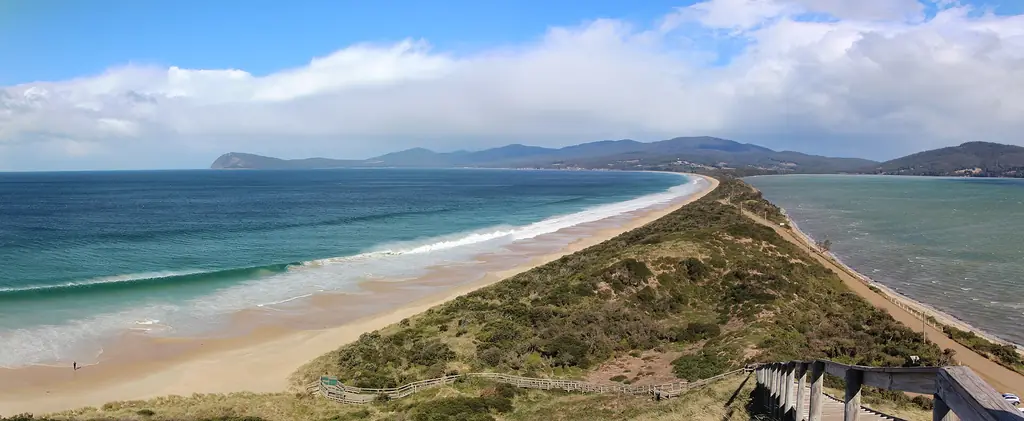
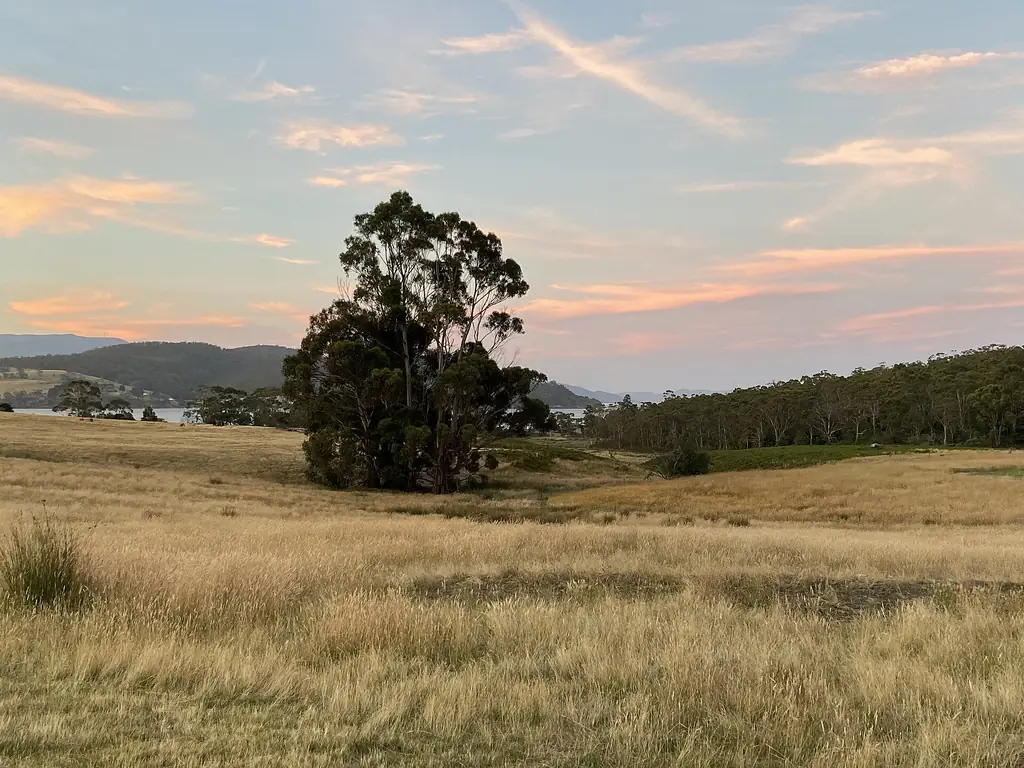
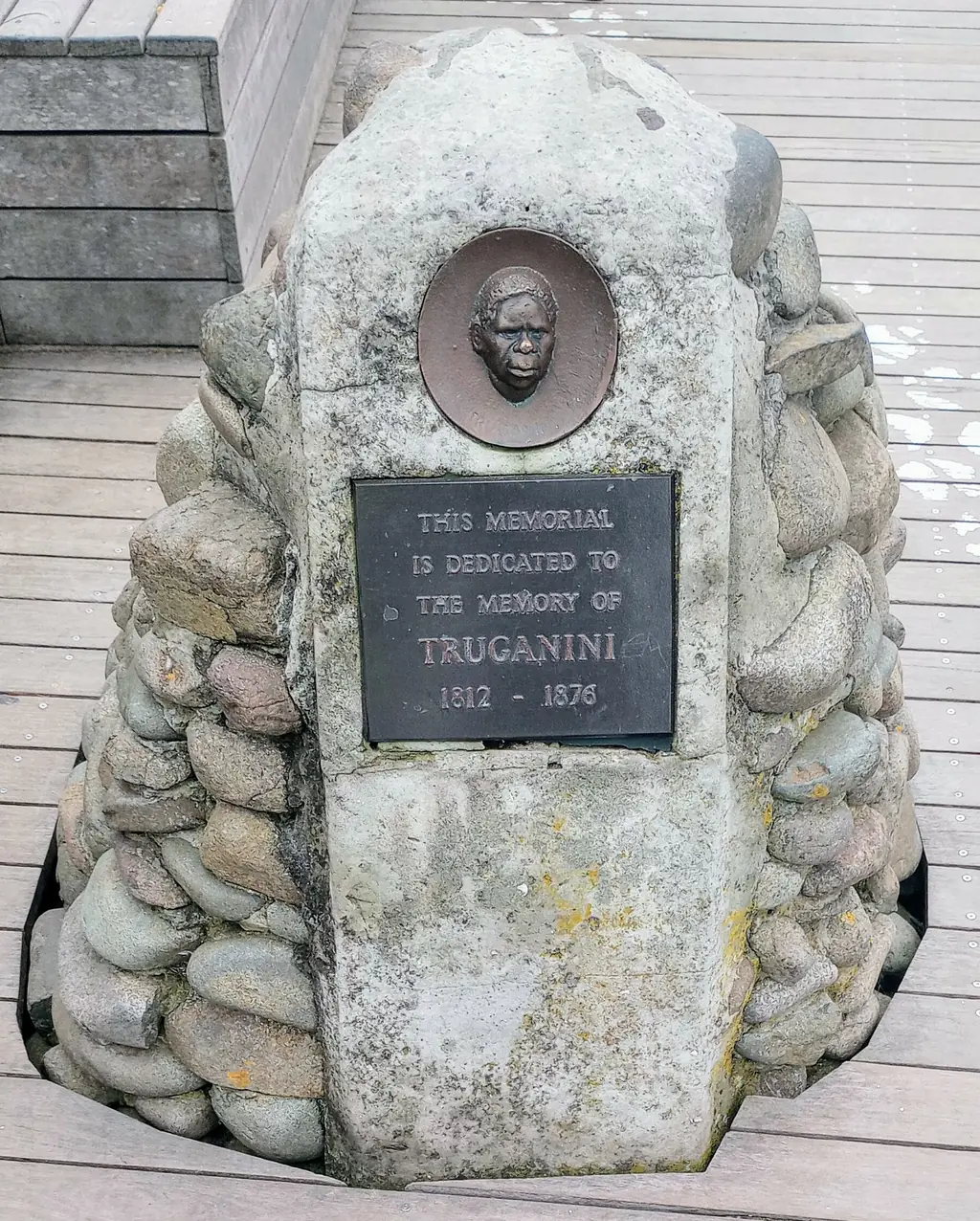
Bruny Island, known as lunawanna-alonnah, is the traditional Country of the Nuenonne people, who lived on the island and its waters for thousands of years. Colonisation brought catastrophic loss. Truganini, born on Bruny Island around 1812, became one of the best-known Aboriginal Tasmanians of the nineteenth century; a memorial stands at the base of the Truganini Lookout at The Neck. Aboriginal Tasmanians maintain strong connections to the island today.
European explorers
- 1773: Tobias Furneaux anchored in Adventure Bay, naming it after his ship.
- 1777: James Cook visited Adventure Bay.
- 1788 and 1792: William Bligh called at Adventure Bay.
- 1792: French explorer Bruni d’Entrecasteaux charted the channel that now bears his name; the island was later named after him.
The Bligh Museum of Pacific Exploration in Adventure Bay tells these stories.
Whaling, timber and farming
Bay whaling operated in the region in the nineteenth century, followed by timber getting and farming.
The lighthouse
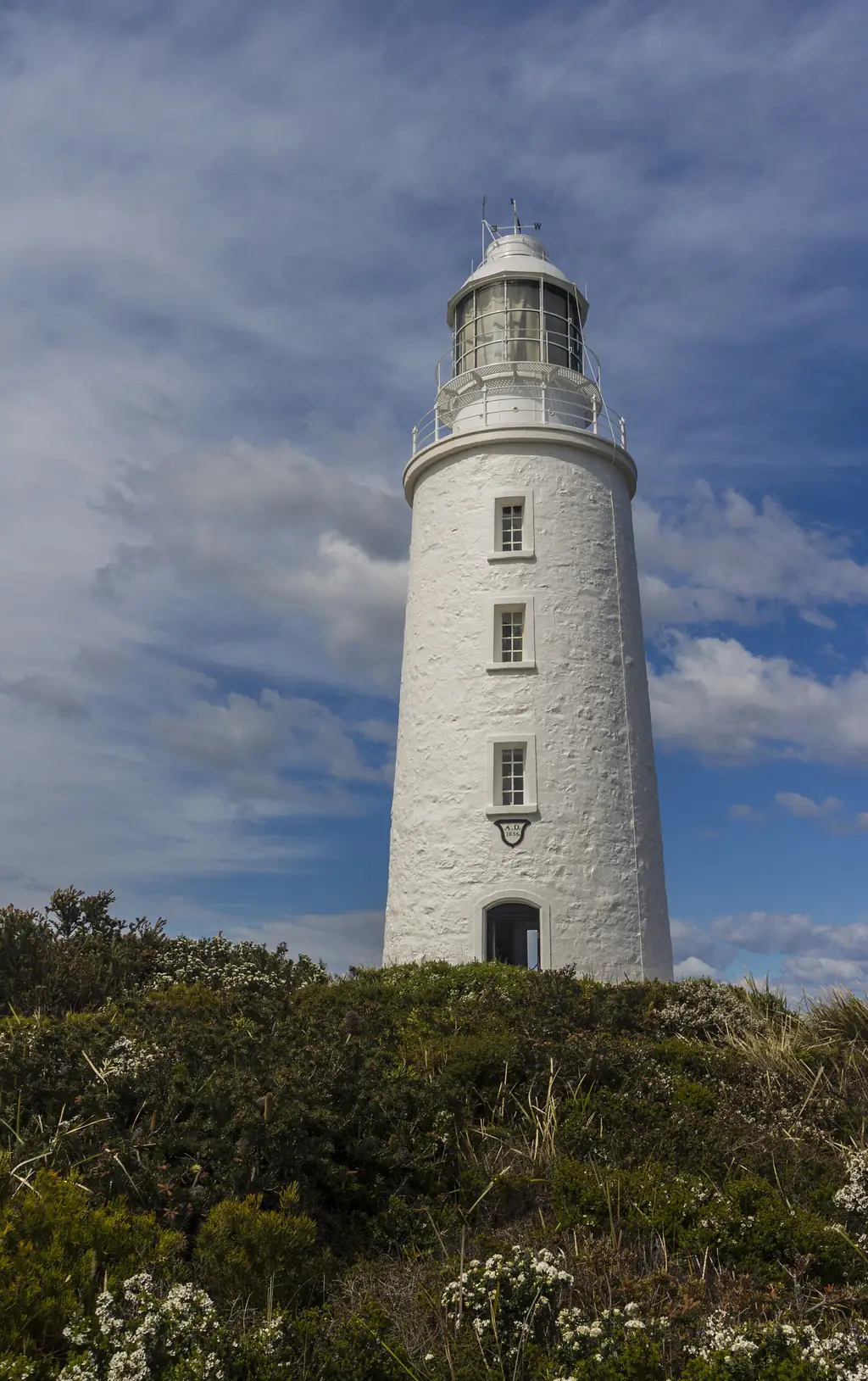
Cape Bruny Lighthouse was first lit in the 1830s and guided ships for well over a century. Lighthouse.
Visiting historic places respectfully
When visiting the Truganini memorial at The Neck, take a moment to read the interpretive signs and reflect on the history of the Nuenonne people. Middens and other Aboriginal heritage sites are protected by law; do not disturb shell deposits or stone artefacts.
Where to learn more
- The Bligh Museum of Pacific Exploration in Adventure Bay covers European voyages to the area.
- The Cape Bruny Lighthouse precinct interprets the lives of keepers and their families.
- In Hobart, the Tasmanian Museum and Art Gallery has displays on Aboriginal Tasmanian history and culture.
Frequently asked questions
Who are the Traditional Owners of Bruny Island?
Bruny Island is the Country of the Nuenonne people, a group of Aboriginal Tasmanians. The island is known as lunawanna-alonnah.
How did Bruny Island get its name?
It is named after French explorer Bruni d’Entrecasteaux, who charted the area in 1792.